
Gamelan Music Bali – Traditional Balinese Orchestra and Cultural Heritage
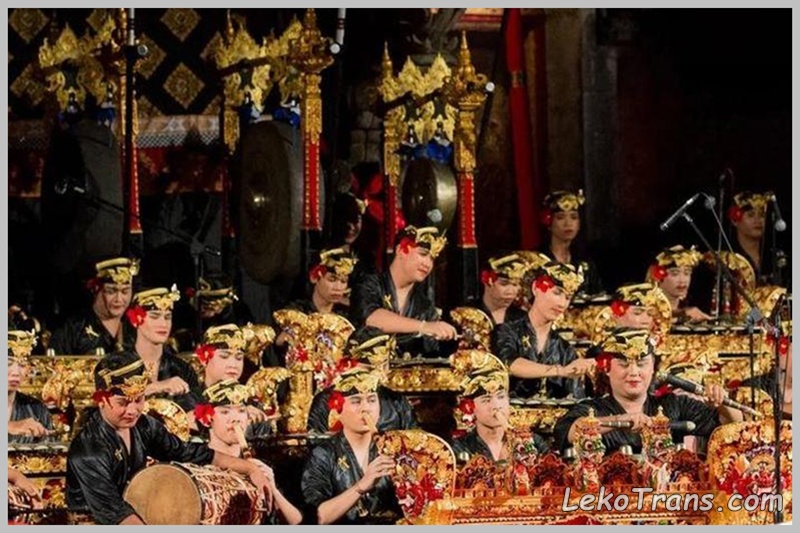
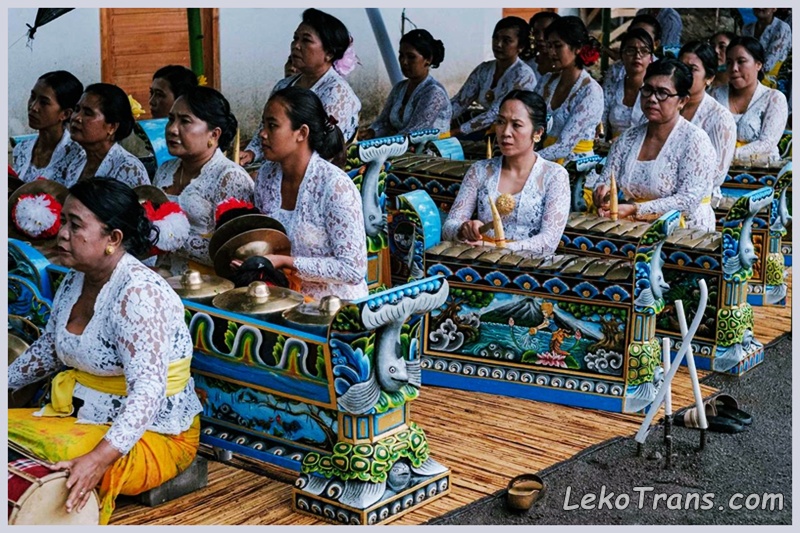
Gamelan Music Bali is one of the most distinctive and important elements of Balinese culture. This traditional musical ensemble is famous for its beautiful combination of bronze percussion instruments, wooden instruments, gongs, drums, cymbals, and bamboo flutes. The music creates a unique sound that ranges from gentle and peaceful melodies to energetic, rhythmic, and dramatic compositions.
For visitors exploring the Island of the Gods, listening to traditional Balinese Gamelan music is a wonderful way to discover the island’s artistic traditions, religious beliefs, and cultural identity. Gamelan music is not simply entertainment; it plays an important role in Balinese Hindu ceremonies, traditional dances, temple festivals, and community celebrations.
Today, Gamelan remains an essential part of everyday cultural life in Bali and continues to attract visitors interested in traditional Indonesian music and performing arts.
History of Traditional Gamelan Music in Bali
Gamelan music has a long history in Indonesia, particularly in Bali, Java, and other parts of the Indonesian archipelago. In Bali, this traditional orchestra developed through centuries of cultural exchange, religious traditions, royal patronage, and local artistic creativity.
Balinese Gamelan evolved alongside Hindu religious ceremonies, traditional dances, shadow puppet performances, and palace entertainment. Over generations, local communities developed different musical styles, instruments, and playing techniques.
Unlike Western orchestras, which often emphasize harmony and individual musical instruments, Balinese Gamelan is characterized by interlocking rhythms, layered melodies, complex percussion patterns, and coordinated group performances.
One of its most recognizable characteristics is the fast, energetic rhythm created when two musicians play complementary patterns together. This technique is known as kotekan, which produces an intricate musical texture that is difficult to achieve with a single performer.
Traditional Gamelan Instruments in Bali
A traditional Balinese Gamelan orchestra consists of several types of musical instruments. Each instrument has a specific role in creating the overall rhythm, melody, and atmosphere.
Some of the most important instruments include:
1. Gong (Large Bronze Gong)
The gong is one of the most important instruments in a Gamelan orchestra. Its deep, resonant sound usually marks important points in the musical composition, including the end of a musical cycle. Large gongs help establish the structure and rhythm of the performance.
2. Gangsa (Metallic Key Instruments)
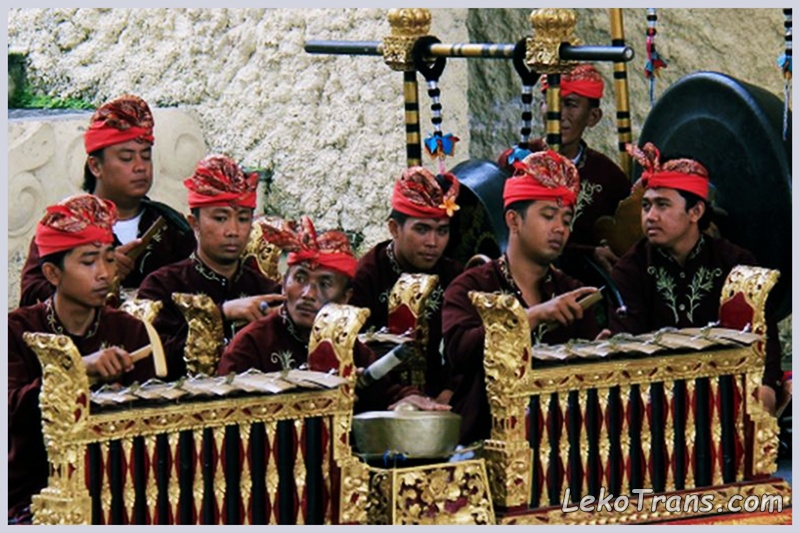
Gangsa instruments are made with bronze keys arranged in a wooden frame. Musicians strike the keys using special wooden mallets to create bright, melodic sounds. Several gangsa instruments often play interlocking musical patterns, producing the characteristic fast rhythm of Balinese music.
3. Kendang (Traditional Balinese Drums)
Kendang is a traditional double-headed drum played by hand. It controls the tempo, signals musical changes, and coordinates the musicians. Skilled kendang players can communicate with dancers and other musicians through different rhythmic patterns.
4. Ceng-Ceng (Traditional Cymbals)
Ceng-ceng consists of small bronze cymbals that produce sharp, energetic sounds. They add excitement and rhythmic accents to the music, especially during lively dance performances.
5. Reong (Horizontal Gong Instrument)
The reong consists of several small bronze kettle-shaped gongs arranged horizontally in a wooden frame. A group of musicians plays the instrument together, creating complex melodies and rhythmic patterns.
6. Suling (Traditional Bamboo Flute)
Suling is a bamboo flute that produces soft and melodious sounds. It often adds a gentle musical layer to the powerful percussion instruments of the Gamelan orchestra.
7. Jegogan and Jublag
These instruments are larger bronze metallophones that produce deeper and longer-lasting notes. They help support the main melody and create a rich musical foundation.
Different Types of Gamelan Music in Bali
Bali has several different types of Gamelan ensembles. Each has its own musical characteristics, instruments, and cultural functions.
1. Gamelan Gong Kebyar
Gong Kebyar is one of the most popular and widely recognized styles of Balinese Gamelan music. It is known for its energetic rhythms, dramatic changes in tempo, powerful percussion, and expressive musical arrangements.
The word kebyar refers to a sudden burst or explosion, describing the dynamic character of this music. Gong Kebyar is frequently performed during Balinese traditional dance shows, cultural festivals, and public performances.
2. Gamelan Semar Pegulingan
Semar Pegulingan is a traditional Balinese musical ensemble associated with royal palace entertainment. Its music is generally softer, more delicate, and melodious compared with Gong Kebyar.
Historically, this ensemble was performed in royal environments and for traditional dance and theatrical presentations.
3. Gamelan Angklung
Gamelan Angklung is commonly associated with Balinese Hindu religious ceremonies, particularly cremation ceremonies and other temple rituals.
It traditionally uses four-tone musical scales, although some modern ensembles use different arrangements. Its sound is distinctive and often accompanies religious processions and ceremonial activities.
4. Gamelan Gender Wayang
Gender Wayang is a smaller musical ensemble traditionally used to accompany Balinese shadow puppet performances, known as Wayang Kulit.
It usually consists of four gender instruments played by two musicians, creating intricate melodies and rhythmic patterns that accompany the puppeteer’s storytelling.
5. Gamelan Gong Luang
Gong Luang is an older traditional ensemble associated with specific Balinese ceremonial and cultural traditions. It is particularly known for its connection with important temple ceremonies and traditional rituals in certain Balinese communities.
The Role of Gamelan Music in Balinese Culture
Gamelan music has a close relationship with Balinese Hinduism and traditional community life. It is commonly performed during religious ceremonies, temple anniversaries, weddings, cremations, and other important cultural events.
In Bali, music is considered an important offering and expression of devotion. The sound of Gamelan instruments helps create a sacred atmosphere during religious ceremonies and accompanies various traditional performances.
Gamelan also plays an important role in traditional Balinese dance. The musicians follow the dancers’ movements and coordinate the rhythm with changes in choreography, facial expressions, and dramatic scenes.
Some of the traditional dances accompanied by Gamelan music include:
-
Legong Dance – A graceful classical dance featuring detailed finger movements, expressive eyes, and elegant body movements.
-
Barong Dance – A dramatic performance depicting the eternal struggle between good and evil.
-
Kecak Dance – A famous dance-drama accompanied primarily by a large group of male performers chanting rhythmic sounds rather than a conventional Gamelan orchestra.
-
Pendet Dance – A traditional welcoming dance originally associated with religious offerings.
-
Gambuh Dance – An ancient classical dance-drama accompanied by traditional Gamelan instruments.
Gamelan Music and Traditional Balinese Dance Performances
One of the best ways to experience Gamelan music is by watching a traditional Balinese dance performance.
The orchestra and dancers work closely together to create a complete artistic presentation. The music provides the rhythm, atmosphere, and dramatic expression, while dancers communicate stories through gestures, facial expressions, and body movements.
During a Legong performance, for example, the Gamelan orchestra produces lively and sophisticated melodies that follow the dancers’ movements. In a Barong performance, the music becomes more dramatic and powerful to emphasize the battle scenes.
The combination of traditional costumes, colorful decorations, expressive dancing, and distinctive Gamelan sounds creates an unforgettable cultural experience.
Where to Experience Gamelan Music in Bali
Visitors can enjoy traditional Gamelan music in many parts of Bali, particularly in areas known for their cultural performances and traditional arts.
1. Ubud
Ubud is one of the best destinations for experiencing traditional Balinese music and dance. Various cultural venues host regular performances featuring Gamelan orchestras, Legong Dance, Barong Dance, and other traditional arts.
2. Ubud Palace
Ubud Palace, also known as Puri Saren Agung, is a popular venue for traditional Balinese dance performances. Visitors can enjoy the combination of classical dance, traditional costumes, and live Gamelan music in a historic palace setting.
3. Batubulan Village
Batubulan is well known for its Barong and Keris dance performances. Traditional Gamelan music accompanies the dramatic dance presentation and creates an authentic Balinese cultural atmosphere.
4. Batuan Village
Batuan is famous for traditional Balinese painting, wood carving, and performing arts. Visitors may find opportunities to experience local Gamelan music and traditional cultural activities.
5. Bali Aga Villages
Some traditional villages preserve distinctive local musical traditions and ceremonial ensembles. These performances offer a closer look at the diversity of Balinese cultural heritage.
Learning to Play Gamelan Music in Bali
For visitors who want more than simply watching a performance, learning to play traditional Gamelan music can be an interesting cultural activity.
Some cultural organizations, local artists, and community groups offer opportunities to learn basic Gamelan techniques. Participants can discover how to strike bronze instruments, follow rhythmic patterns, and coordinate with other musicians.
Playing Gamelan requires teamwork, concentration, and good timing. Unlike many musical traditions where individual musicians perform independently, Gamelan emphasizes cooperation and coordination among all members of the orchestra.
This makes learning Gamelan an enjoyable experience for visitors interested in Indonesian traditional music and Balinese culture.
The Importance of Preserving Traditional Gamelan Music
Although modern music continues to influence Bali, traditional Gamelan remains an important part of the island’s cultural identity.
Many Balinese villages maintain their own Gamelan groups, often supported by traditional community organizations known as Banjar. Local musicians regularly practice together to prepare for temple ceremonies, festivals, and cultural performances.
Children are also introduced to traditional music through cultural education and community activities. These efforts help ensure that traditional Gamelan techniques and musical compositions continue to be passed from one generation to the next.
In recognition of its cultural importance, Gamelan was inscribed on UNESCO’s Representative List of the Intangible Cultural Heritage of Humanity in 2021 as a musical tradition of Indonesia.
Best Time to Enjoy Gamelan Music in Bali
Traditional Gamelan performances can be enjoyed throughout the year. Visitors staying in Ubud, Batubulan, or other cultural areas can usually find scheduled dance performances.
Religious ceremonies and village festivals also provide opportunities to experience Gamelan music in its traditional setting. However, these events follow local ceremonial calendars and do not necessarily take place every day.
For visitors interested in attending a performance, it is advisable to check the latest schedules, ticket prices, and venue arrangements before visiting.
Conclusion – Experience the Beauty of Traditional Gamelan Music Bali
Gamelan music is one of the most beautiful expressions of Bali’s cultural heritage. Its combination of bronze instruments, powerful percussion, intricate rhythms, and traditional melodies creates a musical experience unlike any other.
Whether performed during a religious ceremony, a traditional dance presentation, or a cultural festival, Gamelan reflects the creativity, spirituality, and strong community traditions of Balinese society.
For anyone visiting the Island of the Gods, watching a traditional Gamelan orchestra is a memorable way to understand the cultural richness of Bali beyond its beaches and natural attractions.