

Rambut Siwi Temple
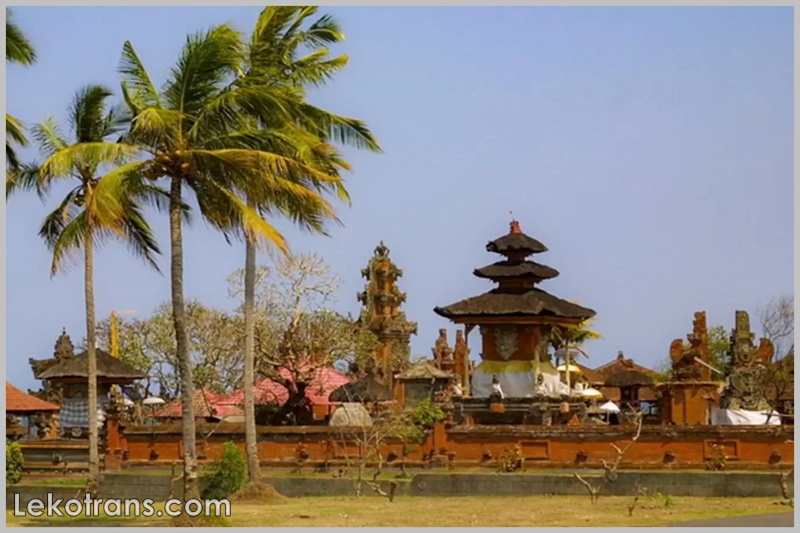
Rambut Siwi Temple (Pura Rambut Siwi) is one of the most important and impressive Hindu temples in West Bali. Located in Yeh Embang Village, Mendoyo District, Jembrana Regency, this beautiful coastal temple is perched on a high cliff overlooking the vast Indian Ocean. With its spectacular ocean views, traditional Balinese architecture, sacred atmosphere, and fascinating history, Rambut Siwi Temple is an interesting cultural and spiritual attraction for visitors exploring the western part of Bali.
Situated approximately 10 km west of Negara town, Rambut Siwi Temple is easily accessible by car or motorcycle. The temple is located near the main Denpasar–Gilimanuk highway, between Air Satang and Yeh Embang. A short detour from the main road leads visitors to the temple complex, which is surrounded by shady trees, tropical vegetation, and beautiful coastal scenery.
The History of Rambut Siwi Temple
Rambut Siwi Temple has a close connection with the journey of Danghyang Nirartha, a highly respected Hindu priest who arrived in Bali from Java during the 16th century. He played an important role in the development of Balinese Hinduism and is traditionally associated with the establishment of several important temples along Bali’s coastline.
According to local legend, when Danghyang Nirartha first traveled through western Bali on his journey to meet the king of Bali in Gelgel, he heard about a terrible epidemic affecting the village of Gading Wani. The villagers were suffering from an outbreak of disease and desperately needed spiritual assistance.
Danghyang Nirartha visited the village and, according to the story, successfully helped the local community overcome the epidemic through his spiritual powers. The grateful villagers asked him to remain and settle in their village. However, the priest intended to continue his journey to Gelgel.
Before leaving, he gave the villagers a lock of his hair as a sacred object and a symbol of protection. This relic was carefully preserved and became the spiritual foundation of Rambut Siwi Temple.
The name Rambut Siwi comes from two Balinese words: rambut, meaning hair, and siwi, meaning worship or veneration. Therefore, Rambut Siwi can be understood as the worship or veneration of the sacred hair of Danghyang Nirartha.
Because of this historical connection, the temple is considered an important spiritual destination for Balinese Hindus. Danghyang Nirartha is also associated with the honorific title Pedanda Sakti Wawu Rawuh, meaning the powerful newly arrived high priest.
Beautiful Cliffside Location Overlooking the Indian Ocean
One of the main attractions of Pura Rambut Siwi is its spectacular natural setting. The temple stands on a coastal cliff overlooking a long stretch of beach and the open Indian Ocean. Its elevated position provides magnificent views of the sea, particularly during clear weather and sunset.
The surrounding landscape is peaceful and relatively quiet compared with Bali’s more crowded tourist destinations. Visitors can enjoy the combination of traditional temple architecture, tropical gardens, shady frangipani trees, and the sound of ocean waves below the cliffs.
The temple complex has several sections situated at different elevations. Some shrines occupy the upper cliff area, while other sacred structures are located closer to the shoreline. This arrangement creates a distinctive atmosphere and allows visitors to appreciate the temple from different viewpoints.
The main temple area has undergone renovations and improvements over the years to accommodate religious ceremonies and the growing needs of the local Hindu community.
Traditional Architecture and Temple Attractions
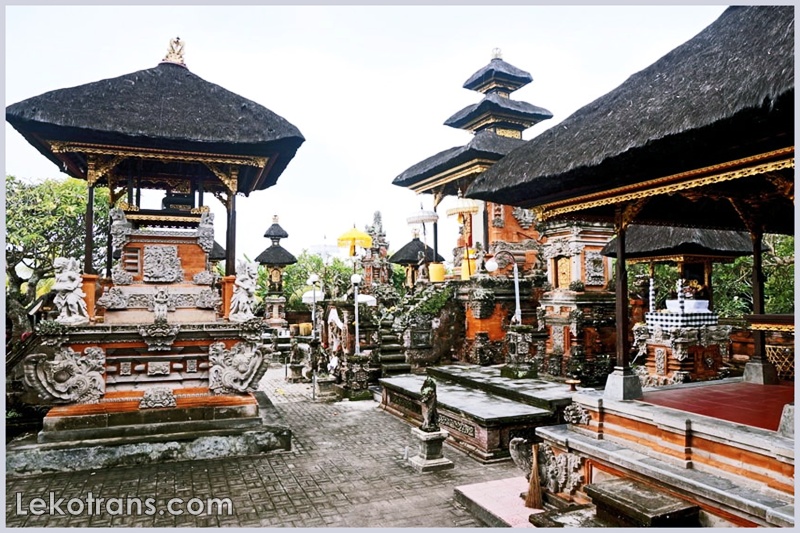
Rambut Siwi Temple features traditional Balinese Hindu architecture, including beautifully decorated gateways, shrines, stone sculptures, and sacred structures. Red brick and carved stone elements contribute to the temple’s distinctive appearance.
Some of the temple decorations depict scenes inspired by traditional Hindu literature, including the ancient story of Arjuna Wiwaha. Intricate carvings and guardian figures can also be seen around the temple entrances, reflecting the artistic traditions of Balinese temple architecture.
The temple grounds are shaded by mature trees, including frangipani trees, which create a peaceful environment for prayer and meditation. Visitors can admire the architectural details while enjoying panoramic views of the surrounding coastline.
Below the main cliffside temple, there are also smaller sacred sites and cave-like shrines near the beach. These locations form part of the wider spiritual landscape associated with Rambut Siwi.
Pura Segara and the Sacred Beach
Another interesting part of the Rambut Siwi temple area is Pura Segara, a smaller sea temple located near the shoreline. In Balinese Hindu tradition, sea temples have an important spiritual relationship with the ocean and are often associated with purification, protection, and religious ceremonies.
Local stories also tell of a magical tiger that found a peaceful home near this sacred coastal area. Such legends form part of the traditional folklore surrounding Rambut Siwi and add to the temple’s cultural significance.
The beach below the temple offers a different perspective of the surrounding landscape. From here, visitors can appreciate the impressive cliff formations and the temple’s elevated position above the ocean.
The coastal area is particularly attractive for photography, sightseeing, and enjoying the natural beauty of West Bali.
Religious Importance and Local Ceremonies
Pura Rambut Siwi remains an active place of worship for the Balinese Hindu community. The temple is maintained and supported by local residents, who are responsible for its cleanliness, religious ceremonies, traditional offerings, and other community activities.
Various Hindu ceremonies are held throughout the year, attracting local worshippers from surrounding villages and other parts of Jembrana Regency.
As with other important temples in Bali, Rambut Siwi is not simply a tourist attraction. It is a sacred religious destination where local people maintain their spiritual traditions and cultural heritage.
Visitors are welcome to appreciate the temple’s beauty and historical importance, provided they respect local customs and religious activities.
Best Time to Visit Rambut Siwi Temple
The best time to visit Rambut Siwi Temple is generally in the morning or late afternoon when the weather is more comfortable and the coastal scenery is particularly beautiful.
Late afternoon is an excellent time for photography, as the sunlight creates attractive views across the Indian Ocean. The temple’s western coastal location also makes it an appealing place to enjoy the sunset, although visibility depends on weather conditions.
Visitors who prefer a quieter atmosphere may choose to visit outside major religious ceremonies and local holidays.
How to Get to Rambut Siwi Temple
Rambut Siwi Temple is located in Mendoyo District, Jembrana Regency, on the western coast of Bali. It is approximately 10 km from Negara and can be reached conveniently by private car, motorcycle, or rental vehicle with a driver.
The temple is situated close to the main Denpasar–Gilimanuk highway, making it a convenient stop for travelers heading towards Gilimanuk Harbour, West Bali National Park, or other destinations in western Bali.
Travelers coming from popular tourist areas can include Rambut Siwi Temple in a West Bali sightseeing itinerary.
Approximate travel distances include:
- Negara to Rambut Siwi Temple: 10 km.
- Denpasar to Rambut Siwi Temple: approximately 75–85 km.
- Ubud to Rambut Siwi Temple: approximately 75–90 km.
- Gilimanuk to Rambut Siwi Temple: approximately 40–45 km.
Travel times depend on traffic, road conditions, and the starting point.
For a more comfortable journey, visitors can arrange a Bali car rental with driver or private transportation. This is particularly convenient for travelers who want to explore several attractions along Bali’s western coastline without worrying about driving directions.
Travel Tips for Visiting Rambut Siwi Temple
To make your visit more enjoyable, consider the following tips:
- Wear appropriate clothing: As Rambut Siwi is a sacred Hindu temple, visitors should dress modestly. A sarong and sash may be required when entering certain temple areas.
- Respect religious activities: Avoid disturbing worshippers or entering restricted areas during ceremonies.
- Bring a camera: The cliffside location offers beautiful views of the Indian Ocean and surrounding coastline.
- Visit in the morning or afternoon: These periods are generally more comfortable for exploring the temple.
- Wear comfortable footwear: Some sections involve walking along pathways and steps.
- Keep the temple clean: Do not leave rubbish or damage the surrounding natural environment.
Why Visit Rambut Siwi Temple in Bali?
Rambut Siwi Temple is an excellent destination for travelers interested in Balinese culture, Hindu history, traditional architecture, and beautiful coastal landscapes. Unlike some of Bali’s more famous temples, it offers a relatively peaceful atmosphere where visitors can experience the spiritual character of the island away from the busiest tourist areas.
Its historical association with Danghyang Nirartha, the legend of the sacred lock of hair, traditional temple architecture, and spectacular Indian Ocean views make Pura Rambut Siwi one of the most interesting cultural attractions in Jembrana Regency.
Whether you are traveling through West Bali, exploring the route to Gilimanuk, or looking for a quieter cultural destination, Rambut Siwi Temple is well worth including in your Bali sightseeing itinerary.