
Wayang Kulit Bali – Traditional Balinese Shadow Puppet Theatre
Wayang Kulit Bali is one of the traditional performing arts of Bali, Indonesia, combining storytelling, music, mythology, philosophy, and intricate craftsmanship. This traditional shadow puppet theatre is an important part of Balinese cultural heritage and offers visitors a fascinating opportunity to discover the island’s ancient stories, religious traditions, and artistic expressions.
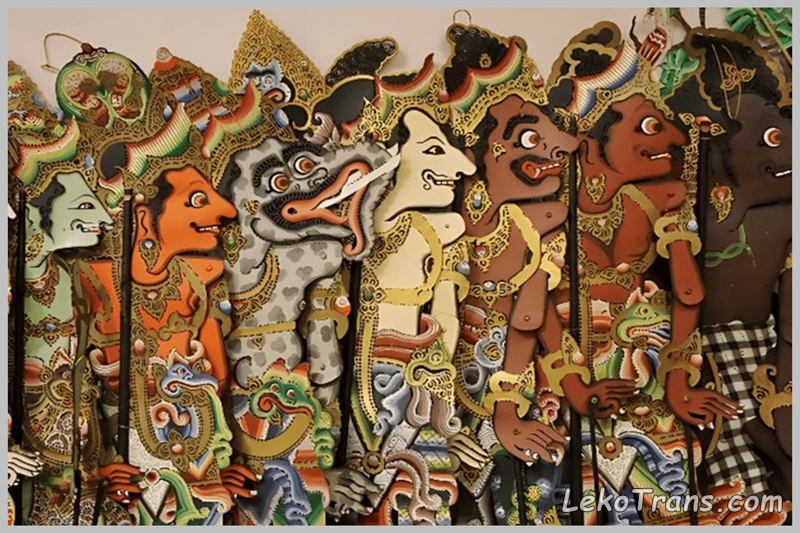
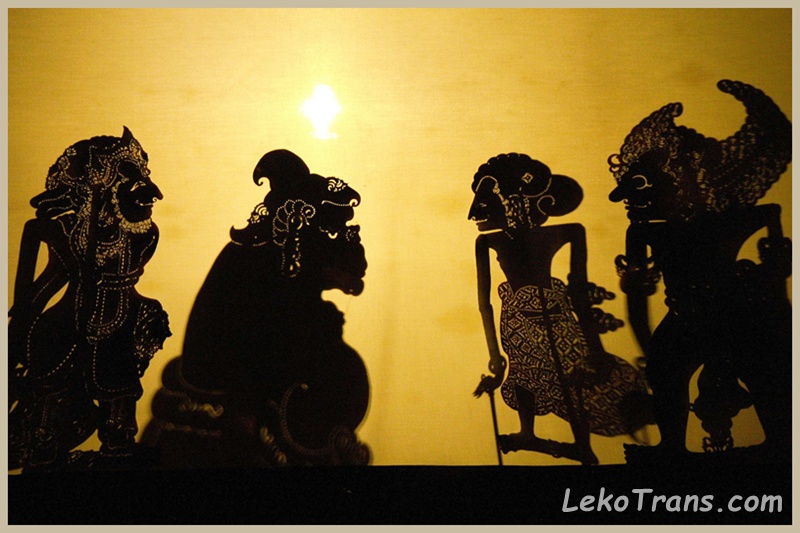
The name Wayang Kulit comes from two Indonesian words: wayang, meaning puppet or shadow, and kulit, meaning leather. The puppets are traditionally made from carefully carved and decorated animal hide, creating detailed figures that produce beautiful silhouettes when illuminated behind a white screen.
Unlike ordinary puppet performances, Wayang Kulit Bali is more than entertainment. It is also a medium for passing down moral teachings, Hindu philosophy, traditional values, and stories from generation to generation.
History and Cultural Significance of Wayang Kulit Bali
Wayang Kulit has a long history in Indonesian culture and has developed into distinctive regional styles throughout the Indonesian archipelago, including Bali and Java.
In Bali, shadow puppet theatre is closely connected with Hindu religious traditions, local customs, and the performing arts. Many performances draw inspiration from ancient Hindu epics, particularly the Ramayana and Mahabharata, as well as local Balinese stories and traditional literature.
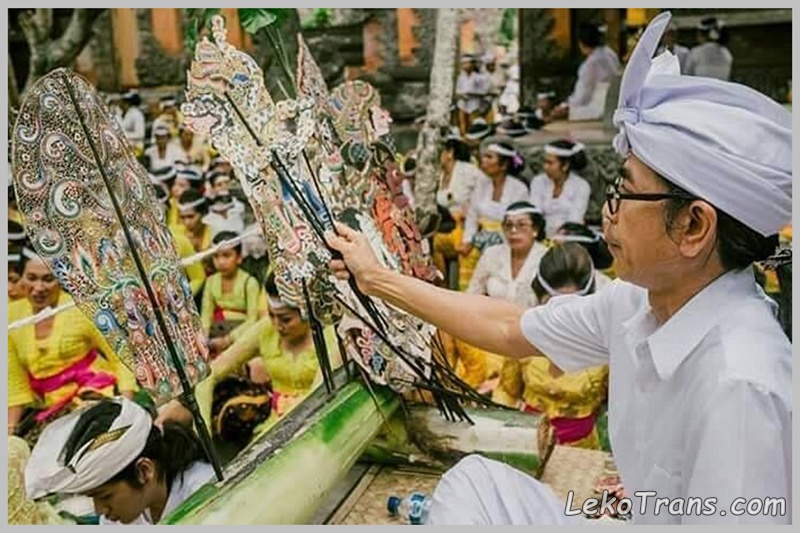
Historically, Wayang Kulit performances were presented during religious ceremonies, temple festivals, community celebrations, and special cultural occasions. They served as an effective way to communicate religious teachings and traditional wisdom to the community.
Today, Wayang Kulit remains an important part of Balinese cultural identity. Although performances are sometimes organized specifically for tourists, traditional shows continue to be presented in villages and during religious events.
The Art of Balinese Shadow Puppets
One of the most impressive aspects of Wayang Kulit Bali is the craftsmanship of its puppets.
Each puppet is individually handcrafted from animal hide, which is dried, shaped, carved, and decorated with intricate patterns. The fine perforations and delicate carvings allow light to pass through, producing detailed shadows on the screen.
The puppets are usually painted in various colors, with distinctive facial expressions, costumes, crowns, and accessories that represent the personality and social position of each character.
Some characters are portrayed as noble, wise, and gentle, while others represent evil, arrogance, or supernatural powers.
The puppets are operated using thin rods attached to their bodies and hands. The main controlling rod allows the puppeteer to move the figure, while smaller rods control the arms and gestures.
The Dalang – Master of the Wayang Kulit Performance
The central figure in a Wayang Kulit performance is called the Dalang, or master puppeteer.
The Dalang is responsible for controlling the puppets, narrating the story, providing character voices, creating dramatic dialogue, and coordinating the performance with the accompanying gamelan musicians.
Being a Dalang requires years of practice and extensive knowledge of traditional stories, literature, music, religious philosophy, and Balinese culture.
During a performance, the Dalang may operate several puppets while changing voices to represent different characters. The puppeteer also uses humor, satire, and philosophical conversations to make the story entertaining and meaningful.
A skilled Dalang can transform a simple white screen into a lively world filled with gods, kings, warriors, demons, and legendary creatures.
Stories and Characters in Wayang Kulit Bali
Most traditional Wayang Kulit Bali performances feature stories taken from the Ramayana and Mahabharata, two important Hindu epics.
Some of the popular characters include:
-
Rama: The heroic prince and central character of the Ramayana, representing righteousness, courage, and responsibility.
-
Sita: The devoted wife of Rama, symbolizing loyalty, patience, and virtue.
-
Hanuman: The powerful monkey warrior who helps Rama rescue Sita from the kingdom of Alengka.
-
Ravana: The powerful king of Alengka, who represents ambition, pride, and the conflict between good and evil.
-
Arjuna: One of the five Pandawa brothers in the Mahabharata, known for his courage, wisdom, and exceptional archery skills.
-
Bima: A strong and fearless Pandawa warrior who represents honesty, loyalty, and determination.
-
Krishna: A divine figure and wise guide who plays an important role in the Mahabharata.
Through these legendary characters, audiences can understand important lessons about good and evil, honesty, courage, devotion, family relationships, and the consequences of human actions.
Gamelan Music Accompanying Wayang Kulit Bali
Music plays an essential role in traditional Balinese shadow puppet theatre. A special gamelan ensemble, commonly known as Gamelan Gender Wayang, accompanies the performance.
This ensemble traditionally features several bronze-keyed instruments that produce delicate, rhythmic, and melodic sounds. The musicians follow the movements and dramatic atmosphere created by the Dalang.
The music changes according to the action of the story. Fast rhythms may accompany battle scenes, while softer melodies create a calm atmosphere during emotional or reflective moments.
The combination of shadow puppets, storytelling, traditional instruments, and dramatic sound creates a unique cultural experience that distinguishes Wayang Kulit Bali from many other forms of traditional theatre.
How a Traditional Wayang Kulit Performance Takes Place
A traditional performance usually takes place behind a white screen called a kelir. A light source is positioned behind the puppets so that their shadows appear clearly on the screen.
The audience can watch the shadows from the front, while the puppeteer and musicians perform behind the screen.
A typical performance involves several important elements:
-
Opening: The Dalang begins the performance with traditional rituals and introductory music.
-
Storytelling: The main characters are introduced, and the story gradually develops through dialogue and narration.
-
Dramatic scenes: Battles, adventures, supernatural events, and humorous conversations bring the story to life.
-
Moral messages: The story communicates traditional values and philosophical lessons.
-
Closing: The performance concludes with a final scene and traditional musical accompaniment.
Traditional Wayang Kulit performances can last several hours, particularly during religious ceremonies. Shorter performances may be arranged for cultural presentations and visitors.
Wayang Kulit as a Tourist Attraction in Bali
For international visitors, watching Wayang Kulit Bali is an interesting way to explore the island’s traditional culture beyond its beaches, temples, and natural attractions.
Visitors can experience the beauty of traditional leather puppets, listen to authentic Balinese gamelan music, and learn about the stories and philosophy behind the performance.
Depending on the location and event, visitors may also have the opportunity to:
-
Watch a traditional shadow puppet performance.
-
Learn about the Ramayana and Mahabharata stories.
-
Observe the Dalang controlling multiple puppets.
-
Discover the craftsmanship behind handmade leather puppets.
-
Listen to traditional Gamelan Gender Wayang music.
-
Learn about the relationship between Balinese Hinduism and traditional performing arts.
Some cultural performances are organized for visitors, while others take place during temple ceremonies and village celebrations. Performance schedules and admission arrangements therefore vary depending on the venue and occasion.
Where to Watch Wayang Kulit in Bali
Wayang Kulit performances are traditionally associated with Balinese villages, temples, and cultural events. Visitors interested in experiencing this art form can ask about performances in cultural centers and traditional villages around Ubud, Gianyar, and other parts of Bali.
Ubud is particularly well known for its traditional arts, dance, music, and cultural activities, making it a good starting point for visitors interested in Balinese performing arts.
It is advisable to check the performance schedule in advance because traditional shadow puppet shows are not necessarily held every day.
Best Time to Experience Wayang Kulit Bali
There is no single best season to watch Wayang Kulit in Bali because performances are generally organized according to cultural events, religious ceremonies, and scheduled cultural programs.
Visitors can enjoy this traditional art throughout the year whenever performances are available.
If you are interested in experiencing authentic Balinese culture, consider including a Wayang Kulit performance alongside other traditional arts such as Barong Dance, Kecak Dance, Legong Dance, and Gamelan music.
Conclusion – Discover the Beauty of Traditional Wayang Kulit Bali
Wayang Kulit Bali is a remarkable cultural treasure that combines traditional craftsmanship, storytelling, music, and spiritual philosophy. Through beautifully carved leather puppets and the extraordinary skills of the Dalang, ancient Hindu epics and Balinese cultural values continue to be passed down to future generations.
For travelers visiting Bali, watching a traditional Wayang Kulit performance provides a deeper understanding of the island’s cultural heritage and artistic traditions. It is an experience worth discovering for anyone interested in Balinese history, mythology, traditional music, and performing arts.